 English





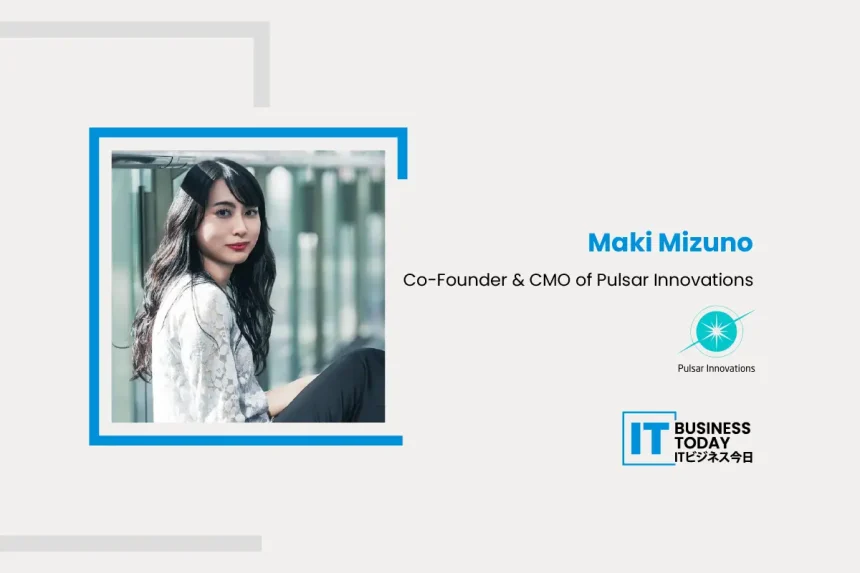
マキさんの職歴とパルサー・イノベーションズでの現在の役割について教えてください。
私はAPUというグローバルな大学環境を卒業し、早い段階から世界の見方を形成してきました。それ以来、営業、ブランディング、商品開発、事業開発など、7つの会社を渡り歩いてきました。.
現在、パルサー・イノベーションズのCMOとして、私は日本と世界のスタートアップ、投資家、エコシステムの架け橋となることに注力しています。私の仕事は、戦略、コミュニティ、ストーリーテリングの交差点に位置し、創業者が成長するだけでなく、彼らのアイデアが真にスケールすることができる適切な環境でつながることができるよう支援します。.

同時に、私は最近「桜隊コンシェルジュ」という個人的なベンチャーを立ち上げました。これは、日本で新たな一歩を踏み出そうとしている人たち、特に日本でのビジネスと生活の両方をナビゲートするグローバル人材をサポートするという、私の個人的な使命を反映したものです。.
あなたは、営業、ブランディング、製品、そして現在のエコシステム構築と、さまざまな職務を経験してきました。その道のりを振り返ってみて、今日の創業者とその課題を理解する方法を最も形作った初期の経験は何ですか?
私にとって最も大きな転機のひとつは、適切な環境なしに何かを作り上げることがいかに孤独なことかを思い知ったことです。.
私は以前の職務で、素晴らしいアイデアが苦戦するのをよく目にしました。製品が弱かったからではなく、創業者が適切な人材、文脈、物語にアクセスできなかったからです。.
その経験が、今日の私のファウンダーに対する考え方を根本的に形作ったのです。それは実行力だけではありません。あなたのアイデアが実際に成長できるような適切なエコシステムに置かれているかどうかということです。.
日本は、スタートアップのエコシステムとグローバルなプレゼンスを強化するために、目に見える後押しを行っています。パルサー・イノベーションズで働くあなたから見て、ここ2、3年で創業者にとって実際に何が変わり、何がまだ難しいと感じていますか?
間違いなく、より勢いがあり、より資金があり、より政府からの支援があり、より世界的な知名度があります。.
ただ、やはり難しいと感じるのはアクセス。.
適切なネットワークへのアクセス、グローバルな会話へのアクセス、意思決定者へのアクセス。.
多くの創業者が素晴らしいものを作り上げていますが、彼らはまだ比較的閉じたサークルで活動しています。ギャップはリソースではなく、つながりです。.
あなたはご自身のことを「グローバル・エコシステム・コネクター」と表現していますが、これは非常に意図的な位置づけです。また、創業者が適切なネットワークに接続しようとする際に、最も苦労するのはどこですか?
私にとっては、世界を超えて翻訳するということです。.
私は日々、創業者と投資家、コミュニティ、機会をつないでいます。しかし、より重要なのは、そうした場をどのようにナビゲートすればよいかを理解する手助けをすることです。.
創業者が最も苦労するのは、機会を見つけることではなく、適切な文脈の中で自分自身をどのように位置づけるかを知ることです。.
多くのアーリーステージの創業者は、新市場への参入は戦略と資本の問題だと考えています。グローバルな新興企業が日本に参入しようとするとき、最もよく見られる盲点は何ですか?
多くの人は、日本は参入すべき市場の一つに過ぎないと考えています。.
しかし、日本は人間関係を重視します。信頼関係は時間をかけて築かれるものであり、すぐに決定されることはほとんどありません。.
最大の盲点は、文化的にも構造的にも、地域のコンテクストの重要性を過小評価していることです。.
あなたの仕事は、コミュニティ、ストーリーテリング、ビジネス戦略が交差するところにあります。強力な製品を持っているにもかかわらず、ストーリーが弱いと創業者が相談に来たとき、文化や利害関係者の間で共鳴されるようにストーリーを再構築する手助けをするにはどうすればよいのでしょうか?
強い物語とは、あなたが何をするかということだけでなく、なぜそれがその特定の文脈において重要なのかということです。.
私は、創業者が一歩引いて、3つのレンズを通して彼らのストーリーを再構築するのを支援します:
観客とは?
彼らの心に響く問題とは?
なぜ今なんですか?
特に文化の違いを超えて、ストーリーテリングは翻訳ではなく、再解釈なのです。.
最近のエコシステムのデータによると、政府や機関がスタートアップの成長に多額の投資を行っている一方で、多くの創業者は適切なタイミングで適切な種類の支援を利用するのに苦労しているようです。現在、利用可能なリソースと実際の創業者のニーズとの間に最もギャップがあるのはどこだと思いますか?
多くのプログラムがありますが、個人的な指導は十分ではありません。.
創業者が必要としているのは情報だけではありません。.
ただ選択肢を提示するだけでなく、複雑さをナビゲートしてくれる人が必要なのです。.
日本人と外国人の両方の創業者と密接に仕事をしている者として、意思決定、コミュニケーション、信頼関係の構築における文化の違いを、どちらの立場も薄めることなく、どのように乗り越えていくのでしょうか?
違いをなくすのではなく、見えるようにして使えるようにするんです。.
日本のビジネス文化は信頼と一貫性を重んじます。.
グローバルなエコシステムは、スピードと明快さを重視します。.
私の役割は、どちらか一方に完全な変化を強いることなく、足並みを揃えることです。.
パルサー・イノベーションズで、あなたは初日から、新興企業がグローバル展開についてどのように考えるかを形作る手助けをしています。あなたにとって、「エコシステム・レディ」な創業者とはどのような人ですか?また、それは製品や成長だけに集中している創業者とどのように違うのでしょうか?
エコシステム対応の創業者は、成功は一人では築けないことを理解しています。.
彼らは積極的に人間関係を築き、文化を超えて明確にコミュニケーションをとり、ネットワークの中で自分自身をどのように位置づけるかを知っています。.
製品だけでなく、存在感が重要なのです。.
今後、エコシステムがよりつながりやすくなり、デジタル・ファーストが進む可能性がある中で、人間のコネクターの役割はより重要になると思いますか、それともそうでなくなると思いますか?そのシフトに先んじるために、あなた自身は自分の役割をどのように進化させていますか?
人脈の重要性はさらに高まると思います。.
エコシステムのデジタル化が進むにつれ、信頼、文脈、人間の判断の価値が高まっています。.
個人的には、スケーラブルなコミュニティ・プラットフォームと、より深くハイタッチなリレーションシップの両方を構築することで進化しています。というのも、結局のところ、真のチャンスは人と人とのつながりから生まれるからです。.
パルサーであれ、私自身が率先して行っているサクラタイ・コンシェルジュであれ、私が行うすべてのことの核心にあるのは、ひとつの信念です:
グローバル人材は言語だけではありません。視野の広さです。.
そして私の使命は、その視点が真にインパクトを生み出せるような環境を作ることです。.



 日本語
日本語