 English




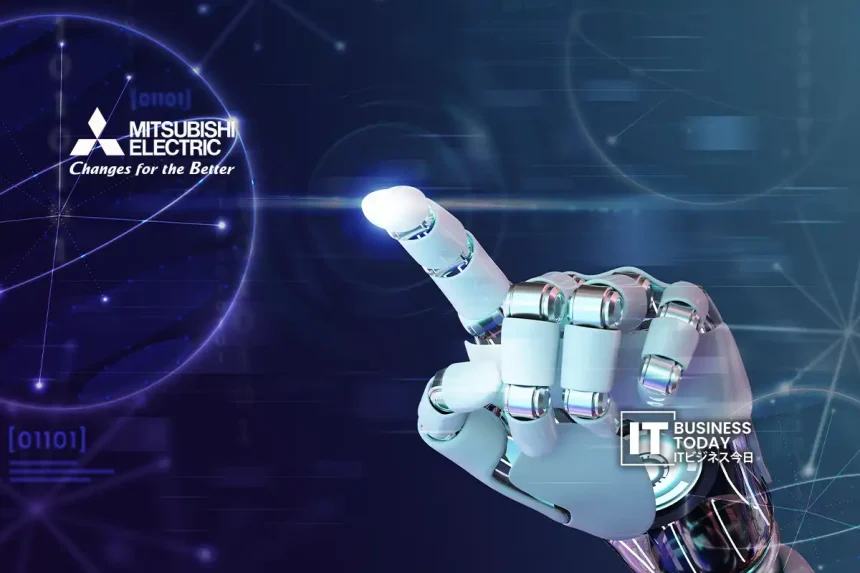
三菱電機とFoxconnがMOUを締結。両社はグローバル市場向けのAIデータセンター・ソリューションで協業します。このパートナーシップは、エレクトロニクス、製造、データセンター・インフラにおける両社の強みを融合させることを目的としています。両社が協力することで、信頼性が高く効率的なAIデータセンター技術を世界中に提供していきます。.
このイニシアチブは、ハイテク業界の重要なトレンドを浮き彫りにしています。ジェネレーティブAI、機械学習、ヘビーコンピューティングの需要が高まっています。企業はAIに特化したハードウェアや統合ソリューションに移行しています。従来の企業向けセットアップから移行しつつあるのです。.
コラボレーションの背景にある戦略的推進力
大規模な言語モデルのトレーニングや推論の実行などのAIワークロードには、超効率的なデータセンターが必要です。これらのセンターには、より優れた冷却、電力管理、ハードウェア設定が必要です。従来のデータセンターの設計は、古いシステムをベースにしていることが多く、こうしたニーズに対応できません。.

Mitsubishi Electric は、産業インフラとパワーエレクトロニクスの分野で数十年の経験を有しています。. Hon Hai は広大な製造ネットワークと強力なロジスティクス技術を有しています。これにより、生産能力とサプライ・チェーン能力が強化されます。半導体エコシステムにおける強力な役割は、このパートナーシップを後押しします。このパートナーシップの目標は、AIデータセンター・ソリューションを開発することです:
- エネルギー使用と冷却の効率が高い
- 継続的で高性能なAIワークロードに対応する信頼性
- グローバルなデータセンターで拡張可能
- カーボンフットプリントの削減や資源のリサイクルなど、持続可能性の目標に沿った取り組み。.
当事者は、ビジネスモデルとソリューションについて協力したいと考えています。これは当初のAIデータセンターにとどまりません。システム統合、エッジ・コンピューティング、その他の価値ある技術分野へと拡大する可能性があります。.
こちらもお読みください: Androidに特化したMDM「Headwind MDM」の国内正規販売代理店に決定
日本のハイテク産業への影響
AIインフラにおける日本の地位強化
日本のハイテク産業は、ハードウェア、材料科学、精密工学の分野で常に強みを発揮してきました。しかし、ここ数十年、データセンター・インフラやAIハードウェアにおける日本の役割は、北米、台湾、韓国に比べて遅れています。.
三菱電機と鴻海が提携。この提携は、次世代コンピューティングのインフラを強化するシフトを示しています。日本のハイテク企業は、AIとクラウド・コンピューティングの分野で再び優位に立つことができます。AIに最適化されたソリューションを国内で構築し、それを世界規模で展開すべきです。.
ホンハイのグローバル生産ネットワークは、アジア、ヨーロッパ、アメリカ大陸に広がっています。これは、日本ベースのソリューションが国際競争に対応できることを意味します。そうすることで、ニッチな市場にとどまったり、ローカルな市場に限定されたりすることがなくなります。.
AIデータセンター標準の推進
AIデータセンターの要件は、従来のITワークロードとは大きく異なります。より高いラック密度、より優れた冷却システム、AIに特化したハードウェアが求められています。これにはGPU、NPU、カスタムシリコンなどが含まれます。効率的な配電も重要です。多くの既存施設は、従来のサーバー・ワークロードを中心に構築されており、新たなAI需要に最適化されていません。.
三菱電機とホンハイは、専門知識を組み合わせることで、統合型などのイノベーションによってこれらのギャップに対処することができます:
- モジュール式AIラックの設計
- 液体またはハイブリッド冷却システム
- 電力効率の高い配電とUPS(無停電電源装置) ソリューション
彼らのアプローチは、AIデータセンターの新しいスタンダードを生み出すかもしれません。そうなれば、他の日本企業も新しいデータインフラに投資するようになるかもしれません。時代遅れのシステムから脱却できるかもしれません。.
同業他社への影響
地域のAIエコシステムを後押し
データセンターはデジタル経済のバックボーンです。接客ボットや予測分析など、ビジネスでAIが発展するにつれ、AI対応のデータセンタースペースのニーズは高まるでしょう。国内外の企業は、より競争力のある統合されたAIインフラを提供することで恩恵を受けるでしょう。.
これは、クラウドサービスプロバイダー、通信事業者、企業のITチームにとって特に重要です。これらの企業は、主要なAIワークロードを低レイテンシー、高信頼性、低運用コストでホストしたいと考えています。AIに特化したデータセンター・ソリューションの供給が強化されれば、新たなビジネスを呼び込むことができます。また、これらの施設周辺のイノベーション・エコシステムをサポートすることもできます。.
サプライヤーとパートナーの機会
このコラボレーションは、バリューチェーンのさらに下のサプライヤーにもチャンスをもたらします:
- 冷却と熱管理のイノベーター
- パワーエレクトロニクスとバッテリーシステムのプロバイダー
- AIハードウェアおよびカスタムシリコン開発者
- ネットワーク・インテグレーションおよびセキュリティ企業
AIデータセンターには特別な部品やサービスが必要。関連技術を提供する企業は、収入を得たりパートナーシップを構築したりする新しい方法を発見するでしょう。.
競争圧力と技術革新のインセンティブ
三菱電機と鴻海(ホンハイ)の提携により、日本のテック・エコシステムの革新が進む可能性。従来のITインフラに注力していた国内企業は、AIベースのサービスに移行することができます。クラウドプロバイダーやシステムインテグレーターは、AIに最適化された製品の開発を加速させるかもしれません。.
このダイナミズムは、日本のAIおよびデータセンター分野全体のイノベーション、人材育成、投資の好循環を刺激することができます。.
広範な技術産業への影響
世界のAIインフラ動向との整合性
世界的に、AIに最適化されたインフラに対する需要は爆発的に高まっています。AWS、Microsoft Azure、Google Cloudなどのハイパースケーラがその最前線にあります。しかし、特化したハードウェアクラスタへの関心も高まっています。.
これらのクラスターは特定の産業を対象としています。以下のようなものがあります:
- 自律走行車のトレーニング
- メディカルイメージング
- ロボット工学
- 財務リスクモデリング
共同ソリューションでこの分野に参入することで、日本は世界のAIインフラ市場を多様化することができます。また、少数の主要サプライヤーへの依存を減らすこともできます。.
国家デジタル戦略の支援
多くの政府がAIとハイパフォーマンス・コンピューティングに多額の投資を行っています。これは重要な優先事項だと考えているのです。日本のホンハイとのパートナーシップは、国家のデジタルトランスフォーメーションを後押しします。競争力を高め、サイバーセキュリティを向上させ、自国の主要な技術スキルを強化します。.
結論
三菱電機と鴻海がグローバルAIデータセンターソリューションで提携。この提携は日本のハイテク産業にとって重要な一歩です。このパートナーシップは、一流のエンジニアリングとグローバルな製造業を融合させたものです。このアプローチは、世界中でAIインフラがどのように構築され、使用されるかを形作るでしょう。.

 日本語
日本語